
Before you act
Wildfire smoke: how to read the AQHI and decide what to do
Check the AQHI and local alerts before going out. As the index rises, reduce or reschedule outdoor exertion and pay attention to symptoms. (Read more)
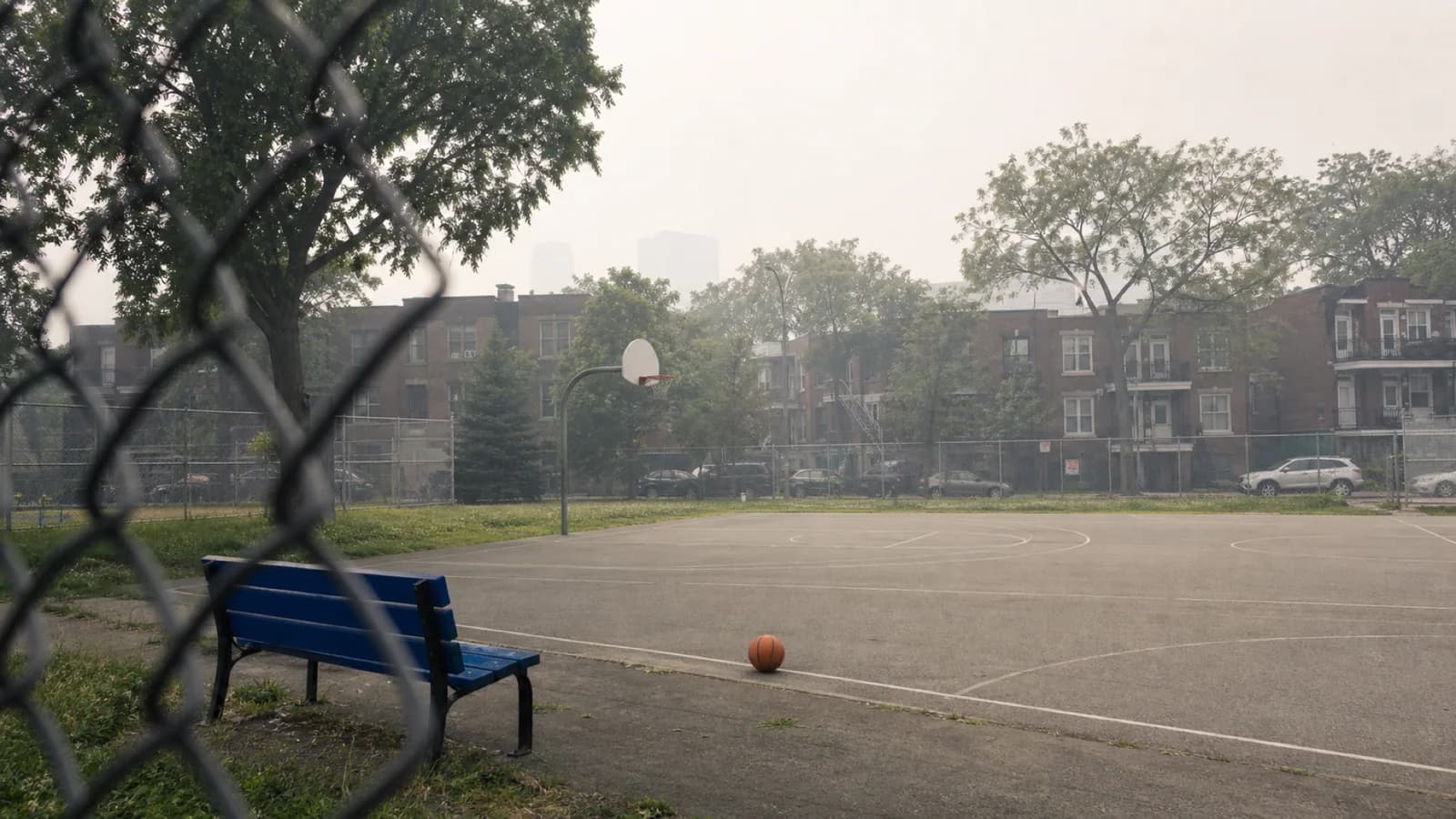
Smoke from northern Ontario wildfires again worsened air quality across several regions in July, while the federal government reports elevated fire potential in parts of northern Ontario and Quebec. Because conditions can change within hours, the colour of the sky and the smell of smoke are not enough. The Air Quality Health Index, or AQHI, and local advisories provide a more reliable basis for deciding what to do today.
Check the AQHI and local alerts before going out. As the index rises, reduce or reschedule outdoor exertion and pay attention to symptoms. (Read more)
1. Start with the AQHI and local alerts
Canada's AQHI runs from 1 to 10+, with higher numbers indicating greater health risk. During wildfire smoke events, Environment and Climate Change Canada calculates the index using fine particulate matter, or PM2.5, and reports it hourly. Check the national AQHI in Ontario; in Quebec, also check Info-Smog and public-health notices. Use the current value and local forecast rather than an old screenshot or social post.
2. Match outdoor activity to the risk level
At high risk, an AQHI of 7 to 10, federal guidance says to reduce or reschedule strenuous outdoor activity; at 10+, it says to avoid it. Some people may need to adjust earlier because of their health, age, pregnancy, outdoor work or exertion level. The goal is not to panic but to reduce how much smoke you breathe: move the activity, use a cleaner-air space and follow local advice, while making sure a closed indoor space does not become dangerously hot.
3. Take symptoms seriously
Wildfire smoke can irritate the eyes, nose and throat and cause coughing or wheezing. If symptoms develop, reduce exposure, stop exertion and move to cleaner air. Seek timely advice if symptoms persist, worsen or concern you, especially if you already have a heart or lung condition. Significant breathing difficulty, severe chest pain or another emergency requires 911.
4. If smoke disrupts work or school
If exposure or symptoms prevented attendance, record the date, location, AQHI or public advisory, symptoms and steps you took. Then check the requirements directly with your employer or school because they are not uniform. When medical documentation is requested, a clinician can assess whether it is supported by the clinical situation. A note, its content and its duration are never automatic. MedVibe's medical-note form can start that assessment if the service fits your need.
This guide does not replace personalized advice or local emergency, evacuation or public-health instructions. AQHI conditions vary by place and hour, so always check the current value. Indoor measures must also account for heat. In an emergency, call 911; for non-urgent nurse advice in Ontario or Quebec, call 811.
Can this be handled online?
Online care may be a fit for a routine question, renewal, or document request when you can safely wait for clinician review.
Choose in-person or urgent care if you may need an exam, testing, or immediate treatment. Call 911 for an emergency.
Where this information comes from
- 01The Government of Canada provides an update regarding the 2026 wildfire season — July update — Public Safety Canada
- 02Wildfire smoke, air quality and your health — Health Canada
- 03About the Air Quality Health Index — Environment and Climate Change Canada
- 04Preventing the health effects of exposure to wildfire smoke — Government of Quebec
- 05Wildfire Smoke and Air Quality Health Reference Document — Government of Ontario
Want to talk it through?
If you’re unsure what to do next, request a visit and explain what’s going on. A licensed clinician will decide whether virtual care is a good fit.
Request a visitTax-exempt private medical consultation: $150